
Therapy for Allies: Supportive Family & Friends
Loving someone means wanting the best for them. When a family member or close friend comes out as LGBTQIA+, it is completely normal to experience a whirlwind of complex emotions. You may feel a deep desire to be supportive, while simultaneously struggling with your own internal adjustments, confusion, or fear.

Support for Families & Friends of LGBTQ+ Individuals

When a family member or close friend comes out as LGBTQIA+, it is completely normal to experience a whirlwind of complex emotions. You may feel a deep desire to be supportive, while simultaneously struggling with your own internal adjustments, confusion, or fear.
Complex Emotions
Professional Guidance
You can lean on professional guidance to help you carry the weight of these shifting family dynamics. Therapy provides a confidential, compassionate space designed specifically for the parents, spouses, siblings, and friends of LGBTQIA+ individuals who are working to process their own feelings and build stronger relationships.
Why you Might Be Struggling
When a loved one shares their authentic identity, it often rewrites the vision you had for their future—and yours. Acknowledging your own struggles does not mean you love them any less. Common experiences include:
A Sense of Grief:
Mourning expectations, traditions, or milestones you envisioned.
Fear for their Future:
Worrying about discrimination, societal rejection, or hardships.
Cultural or Religious Conflicts:
Navigating deeply held beliefs alongside your love for your family member.
Anxiety about Doing Harm:
Fearing you will say the wrong thing, use the incorrect terminology, or inadvertently cause pain.
Social Isolation:
Feeling unable to talk to your usual social circles due to fear of judgment.
How Therapy Can Help You Adjust
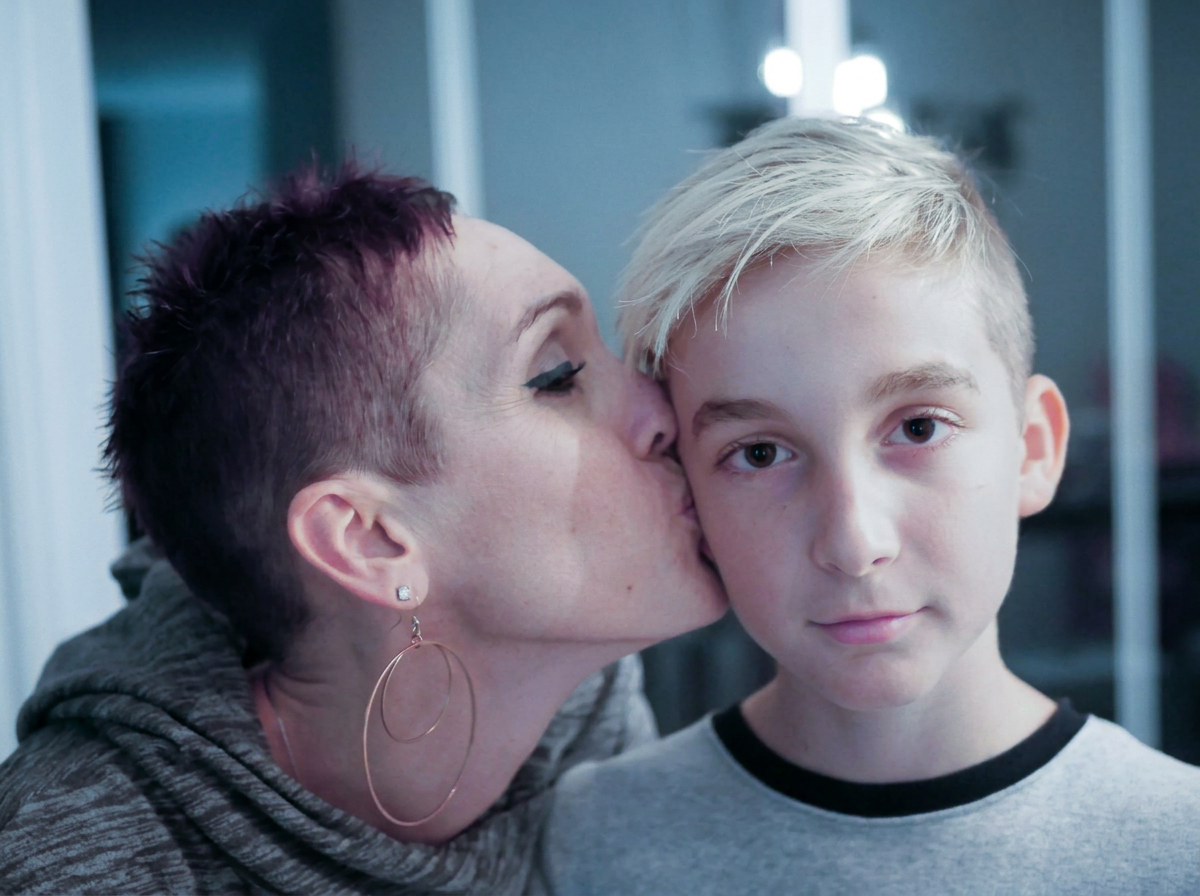
Therapy is not about changing your loved one; it is about supporting you through a profound transition. Here is how specialized counseling can guide your personal journey:
1. Processing Complex Emotions Safely
In this space, there is no judgment. You can safely express anger, confusion, guilt, or sadness without worrying about hurting your loved one’s feelings. Validating your own emotional experience is the first step toward genuine acceptance.
2. Deconstructing Learned Biases
We all grow up with specific cultural conditioning. Therapy helps you identify and untangle rigid societal expectations, allowing you to separate outdated stigmas from the reality of your loved one's life.
3. Managing the "Coming Out" Ripple Effect
When one person comes out, the whole family system experiences a transition. We will work on managing extended family dynamics, deciding how and when to share information with others, and handling external reactions together.
4. Improving Communication & Connection
Learn how to ask respectful questions, use correct language confidently, and listen actively. You will develop the tools to express your own feelings constructively without projecting anxiety onto your loved one.


Core Areas We Will Address
Our sessions will focus on practical, emotional, and relational growth, specifically targeting:
Understanding Identity:
Clarifying the differences between sexual orientation, gender identity, and gender expression.
Bridging the Gap:
Moving from a state of tolerance or shock to active, authentic celebration and support.
Building Resilience:
Developing coping mechanisms for stress, anxiety, and the discomfort of navigating the unknown.
Affirming Allyship:
Finding your unique voice as an advocate for your loved one while maintaining healthy personal boundaries.
Taking the Next Step
Adjusting to a loved one’s identity is a process that requires time, patience, and intentional effort. Seeking therapy is a powerful sign of your commitment to both your own well-being and the health of your relationship with your family member.
You deserve a dedicated space to process these changes, heal internal conflicts, and discover the joy of connecting with your loved one exactly as they are.